 platoseedplatoseed
Growing micro-organs to find new drugs
Rosebud Biosciences accelerates drug development by screening drugs against organoids (micro-organs) that have the same gene mutations as the patients. We partner with therapeutics companies to screen their drugs, and we perform our own drug discovery for rare diseases that have no existing treatments. Our organoids are also fetal-like and enable discovery of novel drug targets for pediatric diseases. This technology was validated at Stanford, published in a prestigious journal, and has already led to the discovery of a drug target in a pediatric heart disease that could not have been found using traditional disease models.
Rosebud Biosciences develops therapies for rare genetic diseases in children by modeling human development with patient-specific organoids and screening drugs in these models to identify cures.
Uses micropatterned hiPSC-derived organoids (2.5D circular organoids) that recapitulate a child’s genetic mutations, enabling high-throughput drug screening (small molecules, RNA therapies, CRISPR, immunotherapies). Longitudinal live imaging and biomarker readouts monitor organoid development; scale-up achieved with robotics and machine learning to analyze up to 10,000 organoids simultaneously.
Who it’s for: Children with rare genetic diseases and their families, researchers and pharma partners focusing on pediatric genetic therapies.
Early stage startup with explicit research focus and expanding organoid platform; mentions in-progress organoid types and scaling via robotics and ML
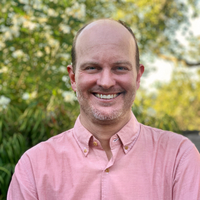
Kitch is CEO and co-founder of Rosebud Biosciences. He is a Physician-Scientist (MD, PhD) with 16 years’ experience merging human induced pluripotent stem cells with genomic and molecular technologies. A Stanford-trained molecular pathologist, Kitch was an attending physician at Stanford for 6 years before cofounding Rosebud.
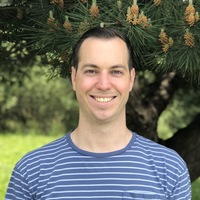
Evan is co-founder and CTO of Rosebud Biosciences. Evan is a Scientist-Engineer (PhD) with 10 years’ experience in advanced microscopy, machine learning, and data engineering. At UC Berkeley he studied the neural coding of perception and was part of a team that built the first bidirectional brain machine interface with proven single cell resolution. Before joining Rosebud he contracted for startups as a data and ML engineer.

Discovering drugs that target the DNA regulome

Using the immune system to cure disease