 platoseedplatoseed
Helping physicians select the right therapy for breast cancer patients
NearWave makes a handheld imaging device that helps physicians select the right therapy for their breast cancer patients. This prevents patients from suffering through months of side effects caused by unsuccessful treatments.
NearWave develops a non-invasive fdNIRS-based device called the NearWave Scanner that measures tissue oxygenation and hemoglobin metrics. The device is described as small, fast, battery-powered, and intended for research and investigational use with an iOS companion app for real-time data visualization.
The NearWave Scanner is a handheld, battery-powered fdNIRS device designed for safe, non-ionizing tissue imaging. It provides quantitative mapping data of tissue biomarkers such as regional oxygen saturation (StO2), HHb/Hbr, HbO2, and THb, with deep tissue measurement up to 1-2.5 cm. The device operates at high speed (36.6 kHz) for fast mapping and includes an iOS companion app for real-time 1D and 2D data visualization. It is currently offered as an investigational device used in research with collaborations with universities and hospitals.
Who it’s for: Physician researchers, clinicians, and medical institutions (universities and hospitals) involved in tissue imaging, vascular/critical care, sports medicine, weight management, and related clinical research.
Investigational device; collaborations with universities and hospitals; active research usage
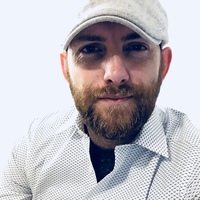
Roy Stillwell is the co-founder, CEO and chief engineer of NearWave, which he co-founded with Professor Thomas O'Sullivan in 2020. He has a PhD in electrical engineering, with a focus in biophotonics research. Originally from Colorado, Roy is a father, husband, technologist, gamer, boarder, and loves to build.
NearWave makes a new type of handheld imaging tech with AI that helps physicians select the right therapy for their breast cancer patients.
NearWave builds an imaging system and AI models using fdNIRS to predict breast cancer treatment response within days, enabling oncologists to adjust or change neoadjuvant chemotherapy early. The product targets physicians treating invasive breast cancer, aiming to reduce unnecessary side effects and costs by identifying non-responders quickly.
From the original launch (May 2024) — may be outdated.

AI Diagnosis of Heart Disease

Tele-dermatology for chronic skin conditions


